In March 2025, NCDHHS DSS leaders met with SafeGenerations to plan the statewide implementation of Safety Organized Practice (SOP) in North Carolina. The group developed goals and action steps to implement and support consistent use of SOP tools and principles across all program areas and roles at both the state and county levels. By the end of the meeting, the team identified four goals for the first year of implementation:
- Promote the Practice Model: State employees will model using Three Column Mapping, scaling questions, and practice standards-during meetings, with progress measured through participant surveys.
- Establish Reflection and Observation Plans: NCDHHS DSS and county leadership will have a clear, shared understanding of SOP reflection and observation processes.
- Use Data to Guide Practice: Collect and analyze data to identify strengths and areas for improvement in applying SOP principles.
- Build Awareness: Implement a communication plan to educate staff statewide about the practice model.
Implementing SOP at the state level demonstrates a unified approach and models "parallel process"-practicing skills and modeling values across all levels of the child welfare workforce. This approach strengthens the development of competencies and skills in workers, supervisors, and the larger organization, ultimately aiming to improve the safety of children, families, and communities across North Carolina.
Progress Update
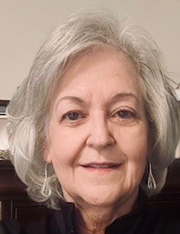
Kathy Stone
Kathy Stone, NCDHHS DSS Section Chief for Safety, and Andrea Robideau, Project Lead from Safe Generations, recently shared progress on the goals above. Implementation began with the launch of e-learning for SOP, which became available on NCSWLearn in June. These courses form the foundation of SOP and are now accessible to all child welfare staff. After completing the e-learnings, all county-facing child welfare staff at NCDHHS attended in-person training focused on applying SOP.
"The training was very well received," Stone noted. "One participant said it gave them hope that we're truly changing how we work with counties and within our own teams."
Robideau added that participants practiced SOP tools relevant to their roles and demonstrated their application. "Many said they could see immediate opportunities to use SOP in their work."
To prepare for further implementation in 2026, information sessions were held for regional directors and county leaders. Stone emphasized that while change at this scale can be daunting, it does not have to be perfect: "Small steps matter. When leaders use SOP practices with supervisors, supervisors are more likely to use them with staff, and staff are more likely to use them with families-that's how lasting change happens."
State staff are applying SOP tools daily. For example, regional directors and specialists have used Three Column Mapping and scaling questions during county consultations to clarify challenges and work toward collaborative solutions. "These tools break complex problems into achievable steps," Stone explained.
Early Wins and Ongoing Challenges
Stone and Robideau see the biggest early success as "putting the 'social' back in social work and the humanity into human services." Robideau said she saw a shift in participants' mindsets over the course of the training. "People were enthusiastic about learning and excited to dig in and apply the skills. Because these tools allow us to connect in different ways, people feel their work is more meaningful. This will make the difference in implementing SOP amid many other pressures and challenges."
Stone added, "Leadership wants to keep SOP at the forefront of our work. We understand this is a process, and changing culture and shifting the way we think takes time and commitment."
Challenges remain, particularly the need to balance competing priorities and overcome the pressure many feel to have all the answers. "This is especially hard for leaders," Stone said, "because people look to them for the answer-to know what is right. SOP requires moving away from the 'expert model,' embracing critical thinking, and encouraging problem-solving differently. This can be scary because solving the problem for people can be faster and simpler, but slowing down to help others find the solution and supporting them to make changes themselves is what leads to lasting change."
Next for SOP
As SOP expands to counties, Stone and Robideau encourage leaders to use these tools in supervision. However, they note that supervisors often face significant pressure and are already overwhelmed. "Supervisors are the catalyst for change," Robideau said. "But that pressure can make them default to giving answers instead of guiding reflection."
Stone added, "Supervision should help staff grow by supporting them to find their own solutions by developing critical thinking." She encourages supervisors to embrace the relational side of their role: "Ask yourself, how can I connect with this worker? How can I help them work through hard times in ways that support them going forward? Over time, that creates a stronger, more positive culture."
Stone also acknowledged that counties cannot do this alone. "State leadership has to model the same practices," she said. "When we come alongside counties implementing something new or navigating challenges, we focus on support and collaboration. We're all in this together, solving problems as partners."
Looking Ahead
NCDHHS DSS is developing two key initiatives:
- "On a scale of 1 to 10, with 1 being completely unwilling and 10 being completely willing, how willing are you to work with the child's behavior?"
- "On a scale of 1 to 10, with 1 being completely incapable and 10 being completely capable, how capable do you feel managing the child's behavior?"
- "On a scale of 1 to 10, with 1 being not confident at all and 10 being completely confident, how confident are you that the child's behavior is going to improve with the technique we discussed today?"
SafeGenerations will also collect baseline data to track SOP application and measure growth over time.
Stone believes using SOP practices "helps people feel safe to discuss challenges and strengths and find their own path forward." Stone and Robideau emphasize that SOP is grounded in a solution-focused philosophy. SafeGenerations and the state are working to implement processes we can all use to draw out each other's wisdom and solutions so we can move forward together for the safety and well-being of the communities we serve.